
Anaerobic fermentation in liberica coffee processing
Advanced techniques such as Anaerobic Natural fermentation combined with intermittent drying, Anaerobic Honey fermentation using Ragi starter cultures, and microbial inoculation using strains isolated from civet digestion have demonstrated a remarkable ability to transform Liberica’s traditionally perceived “defective” flavor notes such as woody or smoky tones into refined sensory profiles. These methods reveal sweetness reminiscent of stevia-like herbal sweetness, aromas of ripe jackfruit and strawberry, and a dense, syrupy body.
I. Overview of Liberica Coffee in the specialty coffee era
Coffea liberica, sometimes referred to in Vietnam as “Jackfruit Coffee” due to its distinctive fruit-like aroma, accounts for less than 2% of global coffee production. Historically, the species was introduced to Southeast Asia in the late 19th century as an alternative to Arabica crops devastated by coffee leaf rust disease. However, because Liberica trees grow extremely tall (up to 20 meters / 65 feet), produce relatively low yields, and often develop rough or unrefined flavors when processed using traditional methods, the species was largely relegated to lower commercial grades, commonly used in blends or instant coffee.


Over the past decade, however, the specialty coffee sector has begun to reconsider Liberica. Climate change is increasingly threatening Arabica-growing regions, forcing the coffee industry to explore species with greater heat tolerance and disease resistance. Liberica with its deep root systems and ability to thrive in acidic peat soils (such as in Jambi, Indonesia, and Johor, Malaysia) as well as in drought-prone environments has emerged as a promising candidate. This revival is not driven by agronomy alone. Instead, the focus has shifted toward post-harvest processing, where anaerobic fermentation techniques play a crucial role in unlocking Liberica’s hidden flavor potential.
Morphological and Physiological Characteristics of Liberica Beans: The Foundation for Anaerobic Fermentation

To understand the effectiveness of anaerobic fermentation in Liberica processing, it is necessary to examine the anatomical and chemical characteristics of the coffee fruit.
Liberica cherries are significantly larger than Arabica and Robusta cherries, with thick, resilient skins and a highly juicy pulp layer. This thick skin slows natural moisture evaporation, which means that traditional sun-drying methods can easily lead to mold growth or uncontrolled fermentation (rot) before the beans dry completely, often producing earthy or moldy flavor defects.
In a sealed anaerobic environment, however, the thick skin functions like a natural biological fermentation chamber, maintaining internal pressure and preventing oxygen from reaching the seed. This allows intracellular fermentation to occur more intensively.
Another key finding from comparative studies is that Liberica contains exceptionally high sugar concentrations in its mucilage, higher than both Arabica and Robusta. These sugars primarily sucrose, glucose, and fructose provide a rich carbon source for microbial metabolism during prolonged fermentation. This explains why Liberica can withstand fermentation periods of up to 30 days without yeast die-off or nutrient depletion.
Residual sugars remaining after fermentation contribute to Liberica’s pronounced sweetness and thick mouthfeel, both hallmark characteristics of anaerobically processed Liberica coffee.
Other chemical components are also important. Liberica typically contains less caffeine than Robusta (approximately 1.0–1.2% compared to about 2.2%) and possesses distinctive phenolic compounds. Studies show that anaerobic fermentation helps preserve antioxidants and polyphenols more effectively than other processing methods while reducing bitterness through the partial breakdown of chlorogenic acids.
II. Biochemical mechanisms and technical protocols of anaerobic fermentation
From a biochemical perspective, anaerobic fermentation in coffee processing is not simply “fermenting without oxygen.” Rather, it is a carefully controlled microbial ecosystem designed to guide specific metabolic pathways.
Dominant microorganisms and population dynamics
- Lactic Acid Bacteria (LAB) are the most important microbial group in anaerobic fermentation, including genera such as Lactobacillus, Leuconostoc, and Pediococcus. These bacteria convert simple sugars into lactic acid through glycolysis, producing a soft, yogurt-like acidity that enhances body and texture while balancing Liberica’s natural astringency. At lower temperatures (below 20°C / 68°F), Leuconostoc and Gluconobacter tend to dominate, producing more delicate flavor profiles. At higher temperatures, Lactobacillus proliferates more rapidly and may produce sharper acidity.

- Yeast strains, especially Saccharomyces cerevisiae and non-Saccharomyces species such as Hanseniaspora and Pichia—play a crucial role in aroma formation. Yeasts perform alcoholic fermentation, converting sugars into ethanol and carbon dioxide. More importantly, they generate numerous volatile compounds including esters, aldehydes, ketones, and higher alcohols. Esters such as ethyl acetate and ethyl hexanoate are responsible for many of the fruit-forward aromas found in anaerobic Liberica, including jackfruit, pineapple, and peach notes.
Key biochemical reactions
Esterification is one of the most important reactions during extended anaerobic fermentation. As organic acids (produced by bacteria) and alcohols (produced by yeast) accumulate, they react to form aromatic esters:
Organic Acid + Alcohol → Ester + Water
Because Liberica contains abundant sugar substrates, this reaction occurs more intensely than in Arabica, resulting in an unusually strong fruit character.
Another key process involves pectin breakdown and cell structure degradation. Microbial enzymes such as pectinases break down the mucilage layer. In Liberica, this process releases additional sugars and allows metabolic compounds to diffuse back into the coffee seed under the pressure created by CO₂ accumulation in sealed fermentation tanks.
Finally, there is partial transformation of chlorogenic acids and caffeine. Research suggests that prolonged anaerobic fermentation encourages the hydrolysis of chlorogenic acids, reducing bitterness and harsh astringency, ultimately producing a smoother, sweeter cup profile.
From a technical standpoint, pioneering producers, including 96B, My Liberica, and Earthling Coffee have developed several effective anaerobic processing protocols specifically suited to Liberica.
- Anaerobic Natural Processing (Whole-Cherry Fermentation)
This method is widely considered the signature technique behind modern specialty Liberica coffee. The process begins with strict cherry selection, harvesting only fully ripe red or purple cherries with a Brix sugar level above 18–20°. After flotation sorting to remove defective cherries, the fruit is thoroughly washed using clean water or ozone solutions to control unwanted surface microbes.

The defining step occurs during fermentation in airtight containers such as HDPE plastic tanks, stainless steel vessels, or GrainPro bags equipped with one-way CO₂ valves. Fermentation duration varies depending on the desired flavor profile: approximately 120 hours (as practiced by 96B) for bright fruit and fresh acidity, or 360–720 hours (as in My Liberica’s N15 and N26 protocols) to develop wine-like notes, dried fruit character, and heavier body. Throughout this stage, temperature is carefully controlled below 25°C (77°F) to prevent excessive acetic acid (vinegar) formation.
The final challenge lies in the drying phase. Because Liberica cherries are large and retain high moisture after fermentation, continuous drying can cause case hardening where the outer layer dries while the interior remains wet, leading to mold risk. To avoid this, producers apply intermittent drying techniques. For example, 96B sun-dries the cherries for three days, then allows them to rest in a dark room for two weeks to equalize moisture before continuing drying until the beans reach 12% moisture content. My Liberica instead uses greenhouse drying systems that carefully regulate temperature and humidity to ensure even dehydration.
- Anaerobic Honey Processing
While the Natural method emphasizes intensity, Anaerobic Honey processing aims for a balance between clean cup clarity and flavor complexity. The process begins by removing the outer fruit skin while retaining the sugar-rich mucilage layer. Because Liberica skins are unusually tough, the pulping machine gap must be adjusted wider than for Arabica to prevent damaging the beans.

The beans, still coated in mucilage, are fermented in sealed tanks for a shorter period—typically 72 to 120 hours. To stimulate microbial activity, producers sometimes add “Mosto,” a fermented fruit juice starter from previous fermentation batches. After fermentation, the coffee is dried on raised beds and turned frequently. The resulting flavor profile typically features honey-like sweetness, floral aromas, and fewer heavy fermentation notes compared to dry-processed coffees.
- Bio-Inoculation Using Starter Cultures
One of the most innovative developments in Liberica processing today is the use of starter cultures to intentionally shape flavor outcomes.
In Sarawak (Malaysia) and parts of Indonesia, farmers have experimented with “Ragi,” a traditional fermentation starter commonly used in Southeast Asian foods such as rice wine and tempeh. Ragi contains a complex mix of molds, yeasts, and bacteria, whose powerful amylase and protease enzymes break down complex compounds during fermentation. This can generate highly distinctive flavors such as Manuka honey-like sweetness or chamomile-like floral notes.
Meanwhile, researchers in Jambi, Indonesia have developed a method involving microorganisms isolated from the digestive systems of civet cats (animals famously associated with kopi luwak coffee). Scientists identified bacterial strains such as Alcaligenes sp. and Exiguobacterium indicum, then reintroduced them into Liberica fermentation tanks. This technique replicates the biochemical transformations that occur during natural civet digestion, improving protein and lipid structures in the beans and producing naturally civet-like flavor complexity without relying on animal involvement. It also appears to enhance antioxidant activity in the coffee.
III. Sensory flavor profile of Liberica Coffee
The dramatic flavor transformation of Liberica through anaerobic processing demonstrates how modern processing techniques can unlock the genetic potential of a coffee species. Five major sensory pillars typically define anaerobic Liberica:
-
Tropical Fruits: The dominant flavor category. Most notably jackfruit, which is Liberica’s signature aroma. Through anaerobic fermentation, the raw, pungent jackfruit character evolves into sweet ripe jackfruit or dried jackfruit notes. Pineapple and mango notes also appear, driven by strong ester formation such as ethyl hexanoate and butanoate.
-
Herbal Sweetness: Instead of cane sugar sweetness, anaerobic Liberica often exhibits a soft herbal sweetness similar to stevia, spreading gradually across the palate with a long finish. Some premium lots even display Manuka honey-like complexity, combining sweetness with subtle medicinal undertones.
-
Berries and Dried Fruits: Strawberry and red grape notes often appear in deeper fermentations or when specialized yeast strains are used. With longer fermentation times (15–30 days), the flavor profile may shift toward jujube (Chinese red date) and raisin, giving the cup a more mature, wine-like character.
-
Fermented and Spirit-Like Notes: Aromas reminiscent of wine or rum arise from ethanol accumulation and mild acetic acid development. These notes add complexity but must be carefully controlled, as the boundary between desirable fermentation character and defects is extremely narrow.
-
Body and Mouthfeel: Perhaps Liberica’s most distinctive physical trait. The coffee typically delivers a full, coating, syrupy body, largely due to its high mucilage sugar content and the reabsorption of pectin compounds during processing.


The table below illustrates the “evolution” of Liberica flavor profiles across different processing methods:
| Characteristic | Washed Liberica | Natural Liberica | Anaerobic Natural Liberica | Anaerobic Honey Liberica |
|---|---|---|---|---|
| Primary Aroma | Herbal, light wood, nutty | Pungent jackfruit, earthy, smoky | Dried jackfruit, strawberry, wine, candy | Manuka honey, chamomile, peach, tea |
| Acidity | Low, muted | Medium, sometimes sharp | Bright, citric and lactic | Balanced, soft and sweet |
| Sweetness | Low | Medium | Very high (stevia-like) | High, clean sweetness |
| Body | Medium–light | Heavy but rough | Very heavy, creamy | Full and rounded |
| Cleanliness | High | Low | Moderate (depends on drying technique) | High |
It becomes clear that washed processing is safe but often bland, exposing Liberica’s relatively subtle aroma potential. Anaerobic Natural processing represents the most dramatic transformation, turning what was once considered a flaw (pungent jackfruit aroma) into a unique tropical fruit signature. Meanwhile, Anaerobic Honey processing offers a refined middle ground, combining the clarity of washed coffee with the complexity of natural processing.
Conclusion,
This study confirms that anaerobic fermentation is one of the most effective tools for repositioning Liberica coffee within the specialty market. By leveraging biological characteristics that were once considered disadvantages, producers have transformed Liberica from a low-grade commodity into a fascinating specialty coffee experience.
For sustainable development, producers should establish processing standards specifically designed for Liberica, including optimized parameters for temperature, fermentation duration, and pH. Applying Arabica processing formulas directly to Liberica often leads to inconsistent results. At the same time, investment in controlled drying systems such as greenhouse dryers and airflow ventilation is essential to address the drying bottleneck associated with Liberica’s large cherries.
From a market perspective, communication strategies should educate consumers to perceive distinctive flavors such as ripe jackfruit or “funky” fermentation notes as unique selling points rather than defects. Looking ahead, the future of Liberica likely lies in continued research into locally adapted microbial starter cultures, enabling regionally distinctive coffee styles with strong geographic identity.
References and images are compiled from research studies and field experiments published up to 2025 by organizations including Paradise Coffee Roasters, 96B, Coffee Science, the Sweet Maria’s Library, Indonesia Specialty Coffee, and others.

Bài viết mới

- Taste the Origin
Rift Valley Coffee Caucus #03757 – A Testament to Western Kenya’s Collective Spirit
Turning our gaze to the Great Rift Valley of East Africa, the fertile volcanic landscapes are witnessing an inspiring transformation. Moving away from fierce, survival-driven competition, smallholder farmers in Western Kenya have chosen to join forces, forging a resilient and unified network. The Rift Valley Coffee Caucus #03757 lot stands as the ultimate testament to this remarkable collective synergy.

- Breaking News
Airworks Coffee & XLIII Coffee – A “handshake” that brings original flavors across borders
XLIII Coffee, alongside our key wholesale partner Airworks Coffee, officially announces the latest release of specialty coffee lots for the North American market. This event reaffirms our commitment to bringing original flavors across all geographical barriers to coffee enthusiasts.
Early access (for Subscribers of Airworks): 10:00 AM (PST) | Wednesday, April 29, 2026
General access: 10:00 AM (PST) | Friday, May 1, 2026
We invite our Customers and Partners to visit (airworkscoffee.com) for detailed information and to prepare for this special release!
- Taste the Origin
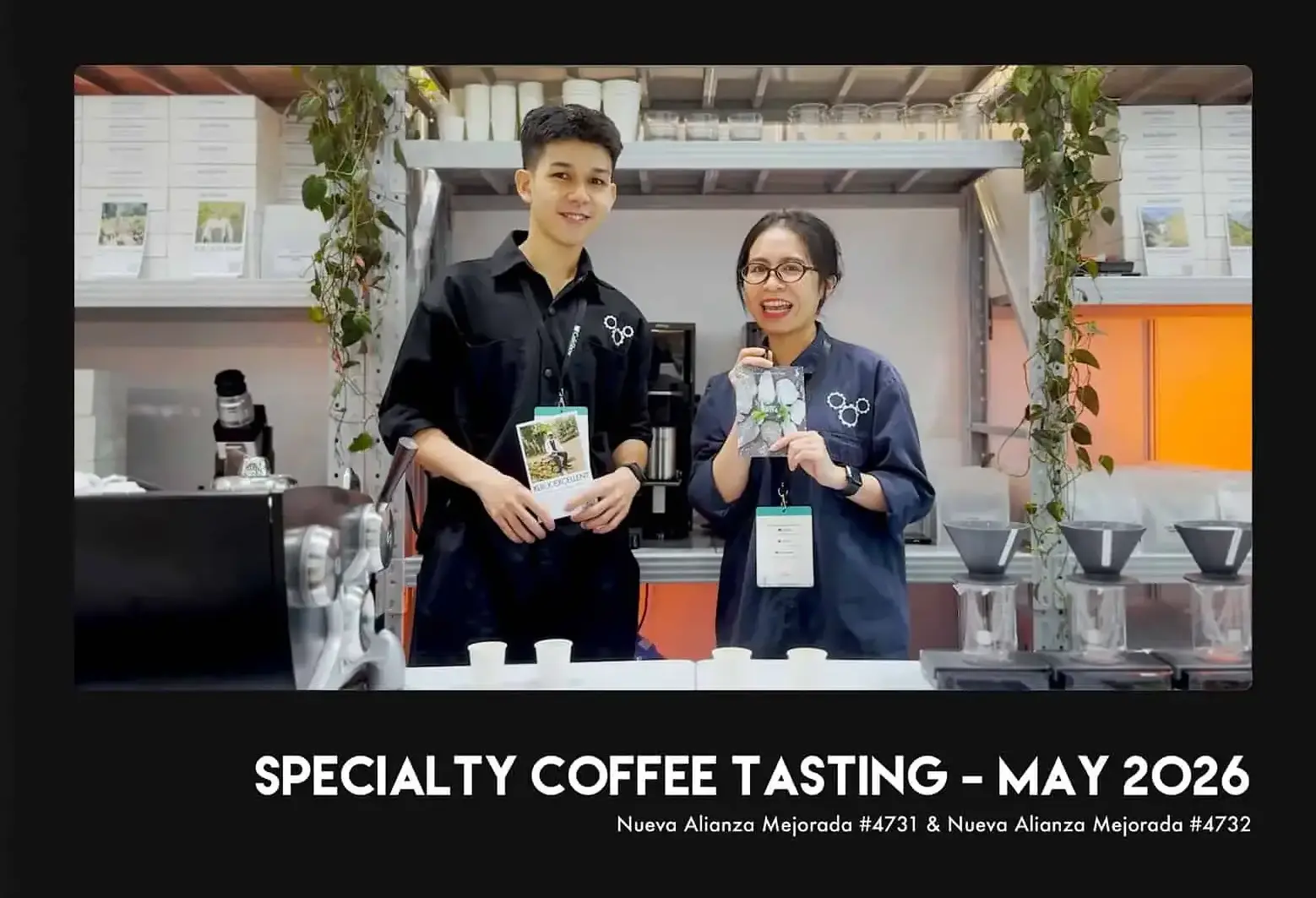
Unveiling May Discovery Subscription: Nueva Alianza Mejorada #4731 & Nueva Alianza Mejorada #4732
The Discovery Subscription is a silent dialogue, a place where the soul of the connoisseur finds a harmonious beat with distant lands. Like a transparent lens, we become storytellers, meticulously peeling back layers of cultural sediment, the breath of the soil, and the human philosophies hidden within every coffee bean.
May arrives with brilliant streaks of golden sunlight, a time when we long to hide beneath the lush, dew-drenched canopies of Santa Teresa. Amidst the silence of the Andes, when compassion touches Mother Earth, what will we hear? Perhaps it is a sweet response that nature reserves solely for souls who know how to wait patiently.

- Taste the Origin
Nueva Alianza Pacamara #4733 – The essence of Cusco with elegant jasmine notes
Nueva Alianza Pacamara #4733 is a testament to the miraculous terroir and dedicated cultivation of the renowned Cusco region. The combination of the characteristic Pacamara bean size and ideal altitude has forged a flavor profile of immense sophistication and depth. From the very first moment, this lot captivates with its elegant jasmine notes, radiating a gentle, pure fragrance akin to a flower blooming in the morning dew.

- Taste the Origin
Nueva Alianza Orange Gesha #4737 – An expedition of recessive genetic traits into the sensory realm
In a world of authenticity, Nueva Alianza Orange Gesha #4737 represents the proud emergence of rare biological traits often obscured by nature’s universality. Carrying a recessive genetic code, Lot #4737 embarks on an “expedition” into the connoisseur’s mind, where record-breaking fructose concentrations are released to perfectly fill every sensory gap with absolute smoothness and purity.
Through washed processing and extremely-light roasting, vibrant citrus nuances and ethereal floral notes, once hidden deep within the genetic structure, now manifest with power, transforming the tasting experience into a journey of ontological completion, where the rarity of recessive genes finally reigns supreme in flavor.

- Taste the Origin
Nueva Alianza Maragogipe #4735 – The “Giant” at the center of attention
Amidst a world of countless specialty coffee beans, Nueva Alianza Maragogipe #4735 emerges as a symbol of grandeur, instantly commanding attention with its distinct appearance. Affectionately dubbed the “Giant” for its impressively mutated “Elephant Bean” size, lot #4735 from Nueva Alianza stands as a testament to nature’s wonders in the Cusco region. Yet, its true allure extends far beyond its imposing exterior; hidden within these colossal beans lies a gentle “soul” blooming with pure floral and crystalline fruit notes.

Specialty Coffee in Vietnam
BRAND VALUE
YOU SHOULD HAVE KNOWN
XLIII Coffee has been aiming to become a big, impactful company with social responsibilities,
have access to high-quality raw materials and convey the complete original values of coffee to our customer
